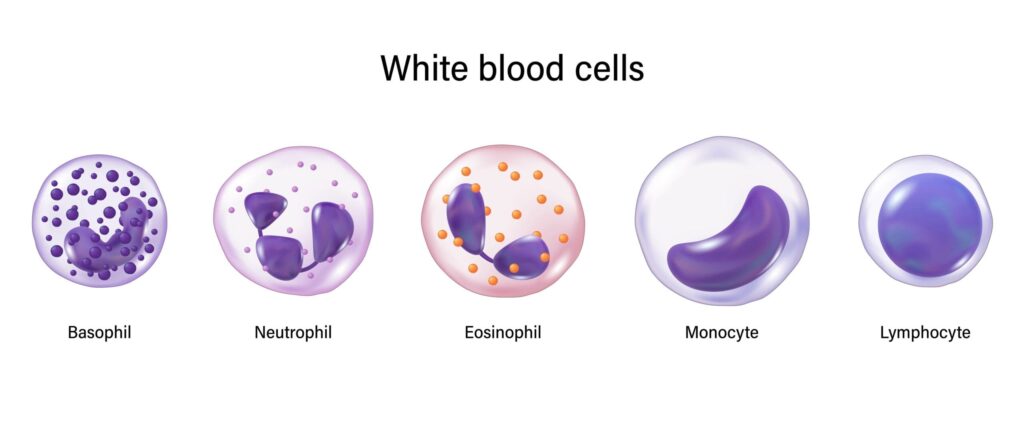
White blood cells (WBC)

The role of white blood cells (WBC) in the body

White Blood cells (WBC) are the body’s main defenders against infections, viruses, bacteria, and foreign agents.

Main functions:

  1. Immune defense -recognize and destroy pathogens.
  2. Participation in inflammatory reactions (infection control).
  3. Removal of damaged and cancerous cells.
  4. Formation of immune memory (after previous illnesses).

The norm of white blood cells in the blood test

GroupReference range (×10⁹/L)
Adults4.0 – 9.0
Children5.0 – 15.0
Newborns9.0 – 30.0
Pregnant womenUp to 10–15 (physiological increase)

Note: References may vary slightly in laboratories.


Low white blood cells (Leukopenia)

Reasons:

  • Viral infections (influenza, measles, HIV).
  • Autoimmune diseases (lupus, rheumatoid arthritis).
  • Bone marrow damage (leukemia, chemotherapy).
  • Vitamin deficiency (B₁₂, folic acid).
  • Taking medications (antibiotics, cytostatics).

Symptoms:

  • Frequent infections (acute respiratory viral infections, pneumonia, stomatitis).
  • Long healing of wounds.
  • Weakness, fatigue.
  • Temperature for no reason.
  • Enlarged lymphnodes.

Elevated white blood cells (Leukocytosis)

Reasons:

  1. Bacterial infections (sore throat, pyelonephritis).
  2. Inflammation (appendicitis, arthritis).
  3. Stress, physical activity (physiological leukocytosis).
  4. Allergies, injuries, burns.
  5. Oncology (leukemias, lymphomas).

Symptoms:
Depend on the reason:

  • Fever, chills (with infections).
  • Sore throat, cough (with bacterial lesions).
  • Skin rash (for allergies).
  • Weight loss, night sweats (with tumors).

What should I do if there are deviations?

  • With leukopenia -avoid contact with patients, check the bone marrow, take vitamins.
  • With leukocytosis -look for the focus of infection (analysis for CRP, crops), exclude oncology.

Important!

  • WBC < 2.0 × 10⁹/L – high risk of sepsis, need urgent help.
  • WBC > 30 × 10⁹/l – possible leukemia, requires consultation with a hematologist.