
TSH thyroid-stimulating hormone

Role of TSH (Thyroid-Stimulating Hormone) in the Body

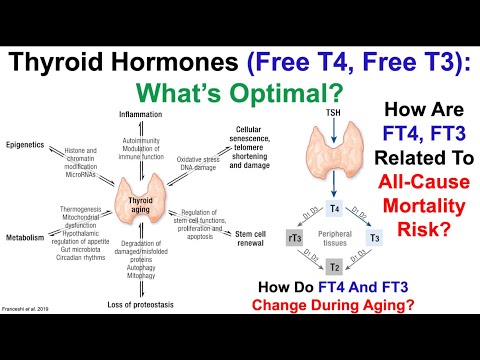
TSH is a pituitary hormone that regulates the thyroid gland via a feedback mechanism.

Main Functions:

  1. Stimulation of the thyroid gland – TSH prompts the thyroid to produce T4 and T3.
  2. Maintaining hormonal balance – TSH rises when T3/T4 are low and falls when they are high.
  3. Controlling metabolism – indirectly affects energy, weight, and body temperature.

Symptoms of TSH Deficiency (Secondary Hypothyroidism)

Causes:

  • Damage to the pituitary gland or hypothalamus (tumor, trauma, inflammation).
  • Overdose of thyroid hormones (artificial TSH suppression).

Symptoms:

  • Fatigue, drowsiness.
  • Cold intolerance, dry skin.
  • Slow heart rate, constipation.
  • Difference from primary hypothyroidism: No goiter; often combined with deficiencies of other pituitary hormones.

Symptoms of Excess TSH (Primary Hypothyroidism)

Causes:

  • Autoimmune thyroiditis (Hashimoto’s disease).
  • Iodine deficiency.
  • Consequences of thyroid surgery.

Symptoms:

  • Weight gain, swelling.
  • Depression, memory impairment.
  • Brittle hair/nails.
  • Goiter (enlarged thyroid gland).

Normal TSH Levels in Blood Tests

GroupTSH (mIU/L)
Adults0.4–4.0
Pregnant Women1st Trimester: 0.1–2.5
2nd-3rd Trimester: 0.2–3.0
ElderlyUp to 7.0 may be acceptable

Important:

  • TSH is highest at 2–4 AM and lowest in the evening.
  • For borderline values, check free T4 and anti-TPO antibodies.

What to Do if Levels Are Abnormal

If TSH is Elevated:

  1. Check free T4 (to confirm hypothyroidism).
  2. Test for anti-TPO antibodies (to diagnose Hashimoto’s disease).
  3. Start L-thyroxine therapy (dose determined by a doctor).

If TSH is Low:

  1. Rule out hyperthyroidism (T3, T4, thyroid ultrasound).
  2. If pituitary insufficiency is suspected – perform brain MRI.

Conclusion

TSH is the main “regulator” of the thyroid gland. Its deviations indicate:
  • ↑ TSH – underactive thyroid (hypothyroidism).
  • ↓ TSH – overactive thyroid or pituitary issues.
    Normal range: 0.4–4.0 mIU/L, but interpretation should always include T4 levels.