
Thymosin alpha 1 peptide-description, function and mechanism of action

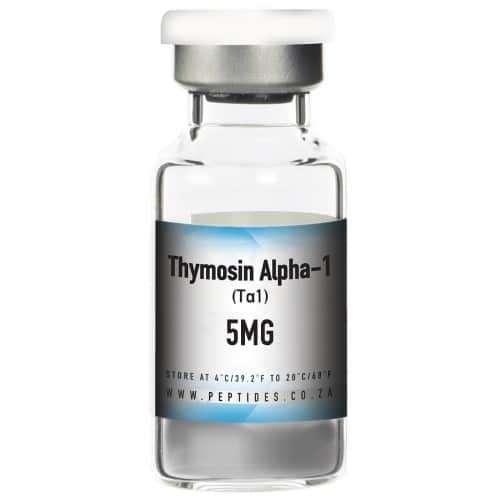
Thymosin Alpha-1 (Ta1) is a natural peptide consisting of 28 amino acids, which plays an important role in the regulation of the immune system. It was originally isolated from the thymus (thymus gland), the organ responsible for maturation and differentiation of T cells. Thymosin Alpha-1 is widely studied and used in medicine due to its immunomodulatory, antiviral and antitumor properties.


Main functions and mechanism of action:

  1. Immunomodulation:
    • Thymosin Alpha-1 stimulates the maturation and activation of T-lymphocytes, which play a key role in the adaptive immune response.
    • Increases the production of cytokines (such as interleukins and interferons) that regulate immune responses.
    • Enhances the function of dendritic cells and macrophages, improving the presentation of antigens and the destruction of pathogens.
  2. Antiviral effect:
    • The peptide has been shown to be effective in fighting viral infections, including hepatitis B, hepatitis C, and HIV. It helps reduce viral load and improve the body’s immune response.
    • Thymosin Alpha-1 is used in combination with antiviral drugs to enhance their effectiveness.
  3. Antitumor activity:
    • The peptide is able to inhibit tumor growth by activating immune cells such as cytotoxic T-lymphocytes and natural killer cells (NK cells).
    • It can also enhance the effectiveness of chemotherapy and radiation therapy.
  4. Antioxidant and anti-inflammatory effects:
    • Thymosin Alpha-1 reduces levels of oxidative stress and inflammation, making it useful in the treatment of chronic inflammatory diseases.

Application in medicine:

  1. Treatment of viral infections:
    • Hepatitis B and C: Thymosin Alpha-1 is used as adjuvant therapy to reduce viral load and improve liver function.
    • HIV: The peptide may improve the immune status of patients.
  2. Oncology:
    • It is used in combination with chemotherapy or radiation therapy to enhance the antitumor immune response.
    • It is being investigated as a means of preventing cancer recurrence.
  3. Immunodeficiency states:
    • It is used to treat patients with weakened immune systems, for example, after chemotherapy or for chronic infections.
  4. Autoimmune diseases:
    • Thymosin Alpha-1 can modulate the immune response, making it potentially useful in the treatment of autoimmune diseases such as rheumatoid arthritis.
  5. COVID-19:
    • During the COVID-19 pandemic, Thymosin Alpha-1 was studied as a potential means to enhance the immune response in patients with severe disease.

Release form and method of application:

  • Form: Thymosin Alpha-1 is available as a freeze-dried powder that is diluted with sterile water or saline solution.
  • Method of administration: Usually administered subcutaneously (subcutaneous injection) or intramuscularly (intramuscular injection).
  • Dosage: The dosage depends on the disease and the patient’s condition. It is usually 1.6-3.2 mg 1-2 times a week. The exact dosage should be prescribed by the doctor.

Safety and side effects:

Thymosin Alpha-1 is considered a safe drug with minimal side effects. In rare cases, there may be:

  • Slight pain or redness at the injection site.
  • Fatigue.
  • Headache.
  • Allergic reactions (very rare).

Scientific research:

Thymosin Alpha-1 is actively studied in clinical and laboratory studies. Some key areas:
  1. Hepatitis: Studies have shown that the peptide can reduce viral load and improve the biochemical parameters of the liver.
  2. Cancer: In combination with other treatments, Thymosin Alpha-1 may improve patient survival.
  3. Immunodeficiency: The peptide is effective in patients with weakened immune systems, for example, after organ transplantation or chemotherapy.

Preparations based on Thymosin Alpha-1:

  • Zadaxin: One of the most well-known commercial Thymosin Alpha-1-based drugs, approved for the treatment of hepatitis B and C in some countries.
  • General Analogues: Many pharmaceutical companies produce Thymosin Alpha-1 analogues under different trade names.

Important notes:

  • Thymosin Alpha-1 should only be used under medical supervision.
  • The peptide should be purchased from trusted suppliers to avoid counterfeiting.
  • A full medical examination should be performed before starting treatment.