Pancreatic amylase

Pancreatic amylase in the biochemical analysis of blood

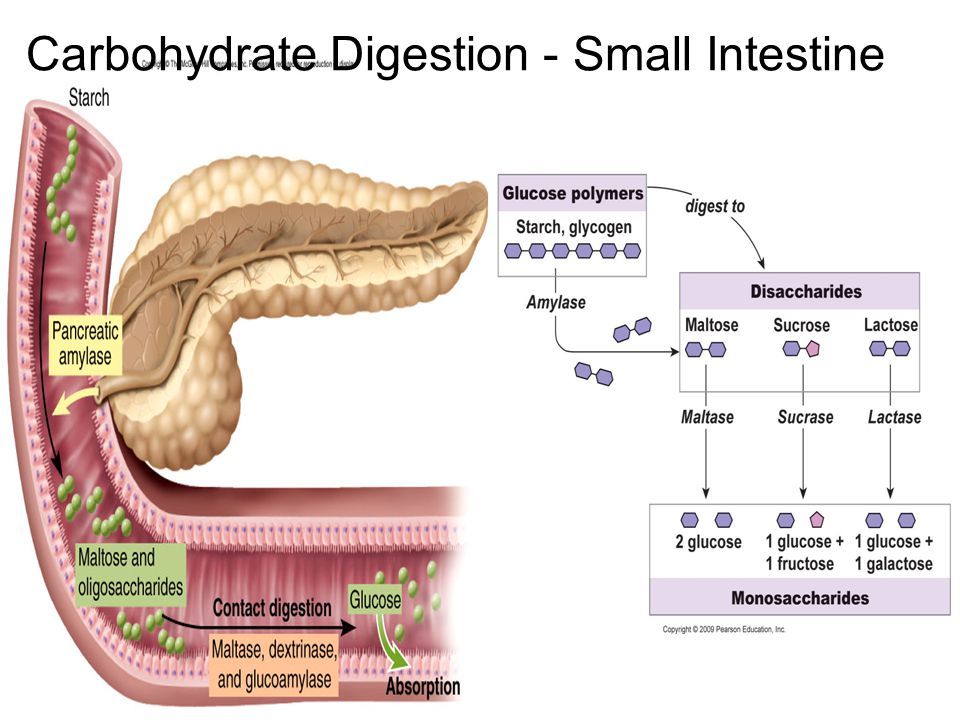
Pancreatic amylase is an enzyme produced by the pancreasthat breaks down carbohydrates (starch and glycogen) in the small intestine. Its level in the blood helps to diagnose diseases of the pancreas and other gastrointestinal organs.


Norm of pancreatic amylase in the blood

CategoryReference Values (U/L)
Adults13–53
Children under 1810–50

Note:

  • The level may vary slightly depending on the laboratory.
  • During pregnancy, the indicators remain within the standard limits.

The role of pancreatic amylase in the body

  1. Digestion: Breaks down complex carbohydrates to simple sugars (maltose, glucose).
  2. Diagnosis of pancreatitis: when the pancreas is damaged, the enzyme enters the bloodstream.
  3. Monitoring the effectiveness of treatment of pancreatic diseases.

Deviations from the norm

1. Increased pancreatic amylase (hyperamylasemia)

Reasons:

  • Acute pancreatitis (the level increases 5-10 times).
  • Chronic pancreatitis (moderate elevation).
  • Injury or tumor of the pancreas.
  • Blockage of the pancreatic duct (stones, strictures).
  • Renal failure (decreased enzyme excretion).

Symptoms of excess:

  • Severe pain in the upper abdomen (shingles in pancreatitis).
  • Nausea, vomiting, bloating.
  • Diarrhea, greasy stools (steatorrhea).
  • Fever (with inflammation).

How dangerous is it?

  • Pancreatic necrosis (death of pancreatic tissues).
  • Creating pseudo-cysts.
  • Diabetes mellitus with chronic gland damage.

2. Reduced pancreatic amylase

Reasons:

  • Severe pancreatic lesions (cystic fibrosis, advanced cancer).
  • Removal of the pancreas (pancreatectomy).
  • Hepatitis, toxic liverdamage.

Symptoms of deficiency:

  • Digestive disorders (flatulence, diarrhea).
  • Intolerance to carbohydrate foods.
  • Weight loss (due to malabsorption).

How dangerous is it?

  • Chronic pancreatic insufficiency.
  • Nutritional deficiencies.

Additional tests

To clarify the diagnosis, prescribe:

  • Total amylase (assessment of the total activity of the enzyme).
  • Lipase (a more specific marker of pancreatitis).
  • Calcium in the blood (hypocalcemia in pancreatitis).
  • Ultrasound, CT or MRI of the pancreas.

What should I do if there are deviations?

If amylase is elevated:

  1. Hunger for 1-2 days (for acute pancreatitis).
  2. Diet: exclude fatty foods, spicy foods, and alcohol.
  3. Medication:
  • Painkillers (as prescribed by a doctor).
  • Enzymes (pancreatin).
  1. Urgent hospitalization for severe pancreatitis.

If amylase is reduced:

  • Enzyme replacement therapy (Creon, Panzinorm).
  • A low-fat, low-carb diet.

Important!

  • Pancreatic amylase accounts for 40% of total amylase.
  • A false increase is possible with macroamylasemia (the enzyme binds to blood proteins).
  • Consultation with a gastroenterologist is mandatory for persistent deviations!

For prevention purposes:

  • Limit alcohol and fatty foods.
  • Control your blood sugar (risk of diabetes in chronic pancreatitis).