Osteocalcin

Osteocalcin: role in the body, symptoms of deficiency and excess, norms in the blood test

The role of osteocalcin in the body

Osteocalcin is a non-collagenic bone protein synthesized by osteoblasts (cells responsible for bone formation). It plays an important role in:

  • Bone mineralization -binds calcium and hydroxyapatites, helping to strengthen bone tissue.
  • Regulation of bone metabolism is a marker of bone formation (its level reflects the activity of osteoblasts).
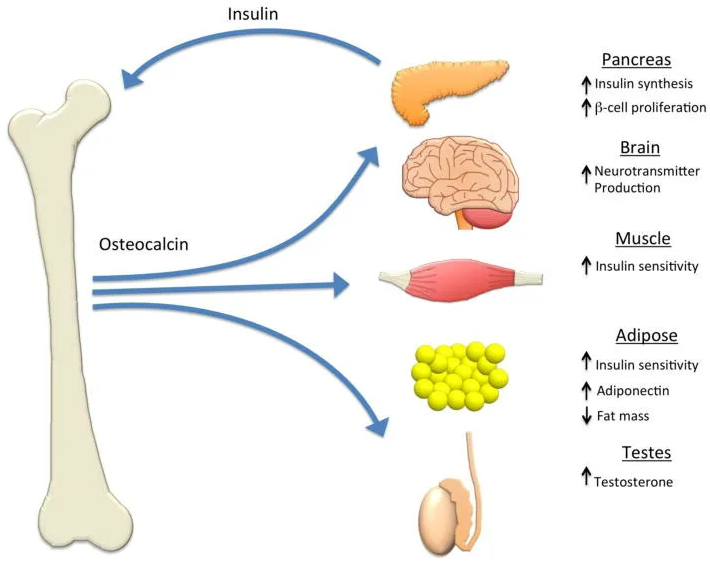
  • Effects on carbohydrate and energy metabolism – osteocalcin is involved in the regulation of insulin secretion and tissue sensitivity to it.
  • Maintaining muscle function -affects muscle strength and endurance.

Symptoms of osteocalcin deficiency

Direct osteocalcin deficiency is rare, but a decrease in it may indicate:

  • Osteoporosis (especially in the elderly) – due to reduced bone formation.
  • Vitamin K deficiency (essential for osteocalcin activation).
  • Hypoparathyroidism (decreased function of the parathyroid glands).
  • Long-term use of glucocorticoids (inhibit osteoblasts).

Symptoms:

  • Brittle bones, frequent fractures.
  • Muscle weakness.
  • Delayed healing of bone injuries.

Symptoms of excess osteocalcin

Elevated levels are usually associated with increased bone metabolism:

  • Paget’s disease (deforming osteitis).
  • Hyperparathyroidism (excess of parathyroid hormone).
  • Osteomalacia (softening of the bones).
  • Bone metastases (in cancer).

Symptoms:

  • Pain in bones and joints.
  • Deformities of the skeleton.
  • Increased risk of fractures.

Norms of osteocalcin in the blood

The level depends on age, gender, and method of analysis (reference values may vary from laboratory to laboratory):

GroupNorm (ng / ml)
Children20–50
Adult males12-40 (up to 50 years), higher in the elderly
Adult women8-32 (before menopause), increases after menopause
Pregnant womenReduced (due to calcium redistribution)

Important: Interpretation of the results should be carried out by the doctor taking into account other indicators (calcium, parathyroid hormone, vitamin D, etc.).