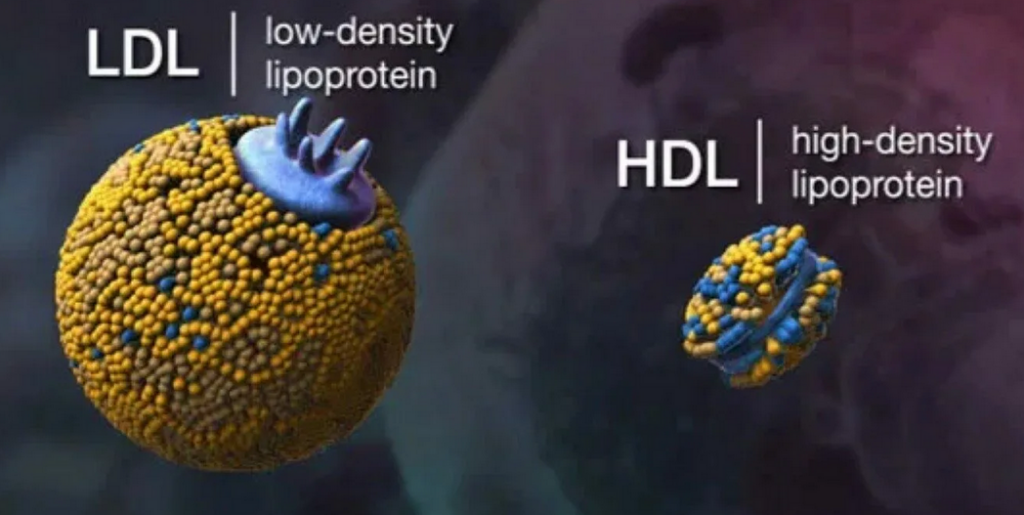
Low-density lipoprotein cholesterol

Low-density lipoprotein (LDL) cholesterol-role in the body

LDL (‘bad cholesterol’) – these are lipoproteins that transport cholesterol from the liver to the tissues. In moderation, they are essential for:

  • Construction of cell membranes.
  • Synthesis of hormones (cortisol, estrogen, testosterone).
  • Formation of vitamin D.

However, an excess of LDL is dangerous, as it:

  • It is deposited in the walls of blood vessels → atherosclerotic plaques are formed.
  • Increases the risk of coronary heart disease, heart attack, and stroke.

The norm of LDL in the blood test

CategoryLDL Level (mmol/L)LDL Level (mg/dL)
Optimal< 2.6< 100
Normal2.6–3.3100–129
Borderline High3.4–4.1130–159
High4.2–4.9160–189
Very High≥ 4.9≥ 190

Optimal values depend on individual risks (age, gender, presence of diseases):

For people with diabetes and cardiovascular diseases , the target level is < 1.8 mmol / L (70 mg / dl).


Symptoms of excess LDL (hypercholesterolemia)

Elevated LDL is asymptomatic for a long time, but leads to:

  1. Atherosclerosis (vasoconstriction):
  • Chest pain (angina pectoris).
  • Shortness of breath, weakness during exercise.
  1. Acute complications:
  • Myocardial infarction (severe chest pain, cold sweat).
  • Ischemic stroke (numbness of the face, weakness in the arm/leg, speech disorders).
  1. External signs (with hereditary hypercholesterolemia):
  • Xanthomas are yellowish fatty plaques on the eyelids (xanthelasms), tendons.
  • The lipoid arch of the cornea is a white rim around the iris of the eye.

LDL deficiency (hypocholesterolemia)

It is rare, but may be associated with:

  • Genetic disorders (for example, hypobetalipoproteinemia).
  • Liver diseases (cirrhosis, hepatitis).
  • Hyperthyroidism (increased thyroid function).
  • Malnutrition or impaired fat absorption.

Symptoms of deficiency:

  • Hormonal disorders (failure of the menstrual cycle, decreased libido).
  • Nervous system disorders (depression, memory loss).
  • Increased fragility of blood vessels.

Conclusions

  • LDL is the ‘bad cholesterol’, its excess leads to atherosclerosis.
  • The LDL norm:
  • For healthy people – < 3.3 mmol / l (130 mg / dl).
  • For risk groups – < 1.8 mmol / l (70 mg / dl).
  • High LDL – > risk of heart attack, stroke (requires diet and statins).
  • Low LDL is rare, but it can interfere with hormone synthesis.

What to do with high LDL?
Reduce your intake of trans fats(fast food, margarine) and saturated fats (fatty meat, butter).
Add omega-3 fatty acids(fish, flaxseed oil) and fiber (vegetables, oatmeal).
Увеличить Increase physical activity.
If there is a significant increase, take statins (as prescribed by your doctor).