Lipase

Lipase-role in the body

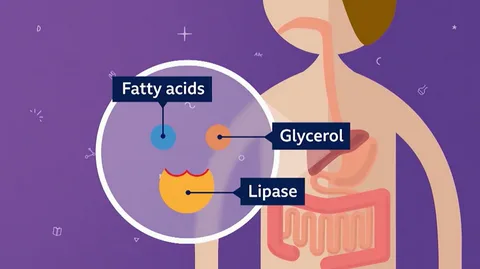
Lipase is a digestive enzyme that breaks down fats (triglycerides) into glycerol and fatty acids. Main types and localization:

  1. Pancreatic lipase (produced by the pancreas) is the main diagnostic marker
  2. Hepatic lipase
  3. Lingual lipase (in infants)
  4. Vascular endothelial lipase

Main functions:

  • Digestion of dietary fats in the intestines
  • Participation in lipoprotein metabolism
  • Providing absorption of fat-soluble vitamins (A, D, E, K)

Norm of lipase in the blood test

Age GroupNormal Range (U/L)
Adults13-60
Children under 180-130
Elderly (over 60)Up to 160

Note: The reference values may differ depending on the study method (immunochemical or colorimetric methods are more often used).


Symptoms of excess lipase (elevated levels)

Main reasons for the increase:

  1. Acute pancreatitis (the level may exceed the norm by 5-10 times):
  • Severe shingles pain in the epigastrium
  • Nausea and uncontrollable vomiting
  • Bloating
  • Fatty stele (steatorrhea)
  1. Other reasons:
  • Chronic pancreatitis
  • A cyst or pancreatic cancer
  • Obstruction of the pancreatic duct
  • Kidney failure
  • Perforated stomach ulcer

Symptoms of lipase deficiency (low level)

Reasons for the decline:

  1. Cystic fibrosis
  2. Chronic pancreatitis with insufficiency
  3. Removal of the pancreas
  4. Oncological diseases

Clinical manifestations:

  • Steatorrhea (greasy, foul-smelling stools)
  • Weight Loss
  • Lack of fat-soluble vitamins
  • Flatulence and discomfort after fatty foods

Diagnostic value

Pancreatic lipase – the gold standard for diagnosis:

  • Increases 4-8 hours after an attack of acute pancreatitis
  • It remains up to 7-14 days
  • More specific than amylase

Ratio with amylase:

  • For pancreatitis: lipase, amylase
  • In case of salivary gland pathologies: amylase↑ ↑, lipase is normal

What should I do if there are deviations?

With increased lipase:

  1. Urgent consultation with a gastroenterologist
  2. Ultrasound/CT scan of the pancreas
  3. Urinalysis for diastasis
  4. Hospitalization for acute pancreatitis

With reduced lipase:

  1. Enzyme replacement therapy (Creon, Panzinorm)
  2. A fat-restricted diet
  3. Taking vitamins A, D, E, and K

Interesting facts

  • Lipase levels are independent of food intake
  • In chronic pancreatitis, there may be a norm between exacerbations
  • False positive results are possible in 1% of healthy people

Conclusions

  1. Norm: 13-60 U/l for adults
  2. Promotion: acute pancreatitis (main cause), tumors, kidney failure
  3. Decline: chronic pancreatic insufficiency, cystic fibrosis
  4. The most specific marker of pancreatic damage