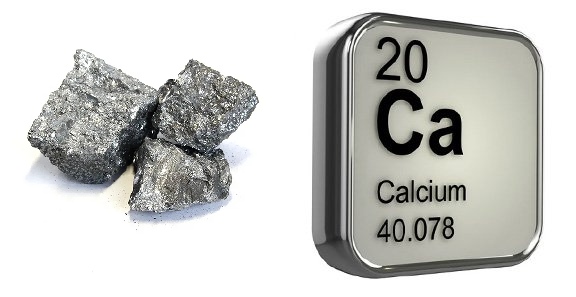
Ionized calcium (Ca2⁺) – role, norms and violations
Ionized calcium (free Ca2⁺) is a biologically active form of calcium that is not bound to proteinsProteins are high-molecular organic substances consisting of alpha-amino acids linked in a chain by a peptide bond. In living organisms, the amino acid composition of proteins is determined by the genetic code. During synthesis, 20 standard amino acids are used in most cases. Many combinations of them determine the great diversity of properties of protein molecules. Proteins play a key role in the immune response and can perform transport, storage, catalytic, structural, and receptor functions. Proteins are an important part of the nutrition of animals and humans. The main sources of proteins are meat, poultry, fish, milk, nuts, legumes, and grains. (albuminOne of the main proteins of the human body, responsible for maintaining normal blood composition and transporting various substances throughout the body. It also serves as a reserve source of amino acids. Albumins perform two very important functions: managing the distribution of water within the body, helping the blood transport vitamins, minerals, and medications. They are responsible for water exchange — they help retain it in the vessels and prevent it from excessively moving into the tissues (thus preventing the development of edema). Albumins influence the formation of tissue fluid, urine, and lymph, and also control the process of water absorption from the intestines.) or anions. It plays a key role in the nervous system, muscle function, blood clotting, and bone metabolism.
1. The role of ionized calcium in the body
Neuromuscular conduction -regulates muscle contraction (including the heart).
Blood clotting -activates coagulation factors.
Bone tissue -99% of calcium is stored in the bones, maintaining their strength.
Cellular signals -participates in the work of hormonesHormones are biologically active substances that are produced by specialized cells or glands (such as endocrine glands) and regulate various physiological processes in the body. They act as chemical signals that are transmitted through the bloodstream to organs and tissues to control and coordinate a wide range of functions, including metabolism, growth and development, reproduction, mood, and more. Examples include insulin, testosterone, estrogen, and adrenaline. and enzymesEnzymes are proteins that accelerate chemical reactions in the body. They ensure the occurrence of metabolic processes such as food digestion, energy release, cell formation, and many others..
Important: Only ionized calcium (about 50% of the total) is physiologically active. Its level does not depend on the amount of albumin in the blood (unlike total calcium).
2. The norm of ionized calcium in the blood
Group
Norm (mmol / l)
Adults
1.16–1.32 mmol / l
Children
1.22–1.37 mmol / l
Newborns
1.05–1.37 mmol / l
Note: Reference values may vary from laboratory to laboratory.
3. Abnormalities: causes and symptoms
A. Hypocalcemia (Ca2⁺ < 1.16 mmol / l)
Reasons:
Hypoparathyroidism (lack of parathyroid hormone).
Vitamin D deficiency -disrupts the absorption of Ca in the intestines.
Chronic kidney disease – loss of Ca in the urine + impaired activation of vitamin D.
Acute pancreatitis – binding of Ca to fatty acids.
Symptoms:
Tetany – painful cramps in the muscles (hands, feet).
Paresthesia (tingling in the fingers, around the mouth).
Laryngospasm (laryngospasm) – dangerous in children.
Prolongation of the QT interval on the ECG → risk of arrhythmias.
Emergency services: Intravenous administration of calcium gluconate.
B. Hypercalcemia (Ca2⁺ &> 1.32 mmol / l)
Reasons:
Hyperparathyroidism (excess of parathyroid hormone).
Bone metastases (breast and prostate cancer).
Overdose of vitamin D or calcium.
Sarcoidosis -granulomas produce active vitamin D.
Symptoms:
Thirst, frequent urination (calcium suppresses the action of ADH).
Nausea, constipation – inhibition of peristalsis.
Weakness, depression.
Kidney stones (nephrolithiasis).
Calcification of blood vessels and soft tissues.
Treatment: Hydration + bisphosphonates (pamidronate), in severe cases – calcitonin.
4. Diagnosis of violations
Ionized calcium analysis is the most accurate method (blood is taken without contact with air, since co₂ changes the pH and Ca2⁺level).
Additionally:
Total calcium (adjusted for albumin levels).
Parathyroid hormone( PTH), vitamin D (25-OH-D3).
Phosphorus, magnesium, and creatinine.
Instrumental research:
Densitometry (for osteoporosis).
Ultrasound of the parathyroid glands.
5. Examples of interpreting results
Important: In pregnant women and children, Ca2⁺ levels may be higher than normal due to active bone growth.
Correction of calcium levels
If there is a shortage:
Calcium supplements (Calcium-D3 Nicomed).
Vitamin D (Cholecalciferol).
If there is an excess:
Limit Ca-rich foods (milk, cheese).
Treatment of the underlying disease (removal of parathyroid adenoma).
Prevention: Ca2⁺ control is particularly important for patients with kidney, thyroid, and parathyroid diseases.