

Иммуноглобулин G (IgG): роль, симптомы дефицита и избытка, нормы в крови
1. Роль IgG в организме
Иммуноглобулин G (IgG) – это самый распространенный тип антител в крови (70-75% от всех иммуноглобулинов), играющий ключевую роль в гуморальном иммунитете.
Основные функции:
✔ Длительная защита от инфекций:
- Основное антитело вторичного иммунного ответа
- Защищает от бактерий, вирусов, токсинов
✔ Передача иммунитета от матери к плоду:
- Единственный иммуноглобулин, проникающий через плаценту
- Обеспечивает защиту новорожденного в первые месяцы жизни
✔ Активация иммунных механизмов:
- Связывает комплемент (классический путь)
- Стимулирует фагоцитоз (опсонизация)
- Обеспечивает антителозависимую клеточную цитотоксичность (ADCC)
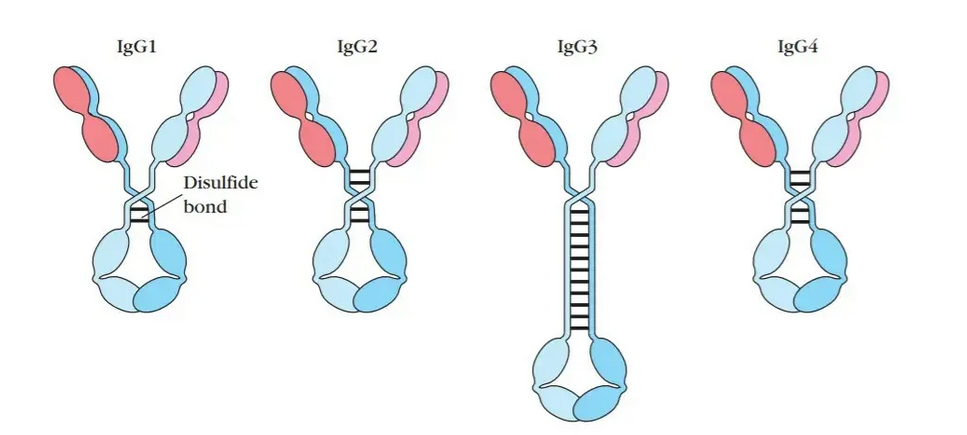
Подклассы IgG:
- IgG1 (65%) – основной ответ на белкиБелки — это высокомолекулярные органические вещества, состоящие из альфа-аминокислот, соединённых в цепочку пептидной связью. В живых организмах аминокислотный состав белков определяется генетическим кодом. При синтезе в большинстве случаев используется 20 стандартных аминокислот. Множество их комбинаций определяет большое разнообразие свойств молекул белков. Белки играют ключевую роль при иммунном ответе, могут выполнять транспортную, запасающую, каталитическую, структурную и рецепторную функции. Белки — важная часть питания живот
- IgG2 (25%) – ответ на полисахариды
- IgG3 (6%) – сильный активатор комплемента
- IgG4 (4%) – участвует в аллергических реакциях
2. Симптомы дефицита IgG
Причины:
- Первичные иммунодефициты (общая вариабельная иммунная недостаточность, синдром гипер-IgM)
- Вторичные иммунодефициты (ВИЧ, лейкемия, нефротический синдром)
- Прием иммуносупрессантов
Клинические проявления:
- Частые бактериальные инфекции (пневмонии, синуситы, отиты)
- Рецидивирующие вирусные инфекции
- Хронические гастроэнтериты
- Аутоиммунные заболевания (ревматоидный артрит, СКВ)
- Аллергические реакции
3. Симптомы избытка IgG
Причины:
- Хронические инфекции (туберкулез, ВИЧ, малярия)
- Аутоиммунные заболевания (ревматоидный артрит, СКВ)
- Множественная миелома IgG-типа
- Парапротеинемии
- Заболевания печени (хронический гепатит)
Клинические проявления:
- При миеломе:
- Боли в костях
- Анемия
- Почечная недостаточность
- Гиперкальциемия
- Синдром гипервязкости крови:
- Головные боли
- Нарушения зрения
- Неврологические симптомы
- Аутоиммунные проявления
4. Нормы IgG в анализе крови
| Группа населения | Референсные значения (г/л) |
|---|---|
| Взрослые | 7.0-16.0 |
| Новорожденные | 3.0-17.0 |
| 1-3 месяца | 2.0-9.0 |
| 4-6 месяцев | 2.0-7.0 |
| 7-12 месяцев | 2.0-11.0 |
| 1-3 года | 4.0-12.0 |
| 4-6 лет | 5.0-13.0 |
| 7-9 лет | 6.0-14.0 |
| 10-13 лет | 7.0-15.0 |
| 14-16 лет | 7.0-16.0 |
Примечания:
- Уровень IgG у новорожденных соответствует материнскому
- Минимальные значения наблюдаются в 3-6 месяцев
- Взрослые уровни достигаются к 16 годам
5. Когда назначают анализ?
- Подозрение на первичный или вторичный иммунодефицит
- Рецидивирующие бактериальные инфекции
- Диагностика миеломы и других парапротеинемий
- Контроль при аутоиммунных заболеваниях
- Оценка поствакцинального иммунитета
- Диагностика внутриутробных инфекций (определение специфических IgG у плода)
6. Дополнительные исследования
- Электрофорез белков сыворотки
- Иммунофиксация
- Определение подклассов IgG
- Оценка специфических антител
7. Подход к лечению нарушений
При дефиците:
- Заместительная терапия (внутривенные иммуноглобулины)
- Профилактика инфекций
- Лечение сопутствующих заболеваний
При избытке:
- При миеломе — химиотерапия
- При аутоиммунных процессах — иммуносупрессия
- При синдроме гипервязкости — плазмаферез