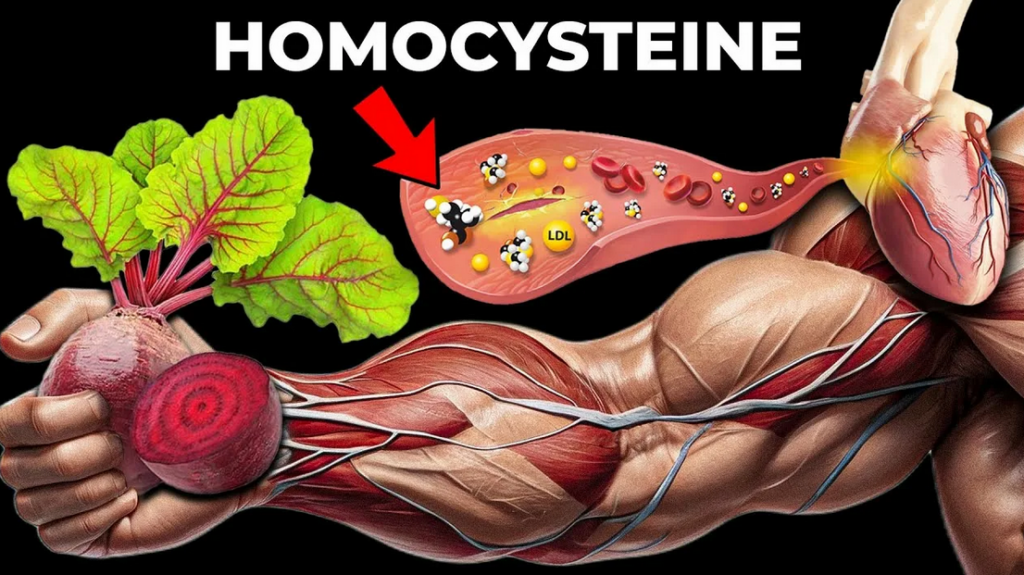
The role of homocysteine in the body
Homocysteine is a sulfur-containing aminoacid, an intermediate product of methionine metabolism (comes from protein foods). Its key functions are:
- Participates in the methylation cycle, which is important for:
- DNA/RNA synthesis.
- Formation of neurotransmitters (serotonin, dopamineDopamine is a neurotransmitter and hormone that plays a key role in the brain's reward system, motivation, pleasure, learning, and movement regulation.Main functions: Stimulates feelings of pleasure and satisfaction. Involved in motivation and decision-making processes. Regulates motor activity. Affects memory, attention, and mood.).
- Detoxification.
- Affects blood vessels: in excess, it damages the endothelium, accelerating atherosclerosis.
Norm of homocysteine in the blood
| Group | Normal Range (µmol/L) |
|---|---|
| Adults | 5–15 |
| Pregnant Women | < 10 |
| Children | < 5 |
Risk thresholds:
- Moderately elevated: 15-30% risk of thrombosis.
- High: 30-100 → severe complications.
Elevated homocysteine (hyperhomocysteinemia)
Reasons:
- Vitamin deficiency:
- B9 (folate), B12, B6 (essential for homocysteine metabolism).
- Genetics:
- MTHFR mutation (disrupts folate uptake).
- Lifestyle:
- Smoking, alcohol, excess coffee.
- Physical inactivity.
- Diseases:
- Kidney failure.
- Psoriasis, hypothyroidism.
Symptoms and consequences:
- Vascular diseases:
- Atherosclerosis, thrombosis, heart attacks/strokes.
- Erectile dysfunction.
- Neurological problems:
- Depression, dementia, Alzheimer’s disease.
- During pregnancy:
- Miscarriages, preeclampsia, neural tube defects in the fetus.
Reduced homocysteine
It is rare and has no clinical significance.
Possible reasons:
- Hyperthyroidism.
- Taking certain medications (niacin).
How do I normalize the level?
With increased homocysteine:
- Vitamin Therapy:
- B9 (folic acid) – 400-1000 mcg / day.
- B12 (methylcobalamin) – 500-1000 mcg / day.
- B6 (pyridoxine) – 10-50 mg / day.
- Diet:
- Greens (spinach, broccoli), legumes, liver, eggs.
- Restriction of meat (methionine).
- Lifestyle:
- Smoking/alcohol withdrawal.
- Cardio exercises (30 min / day).
In Genetics (MTHFR):
- Taking active forms of vitamins (methylfolate instead of folic acid).
When should I take the test?
- Survey for:
- Unexplained thrombosis.
- Cardiovascular diseases at a young age.
- Miscarriage of pregnancy.
- Cognitive disorders.
- Prophylactically after 40 years (especially with heredity).
Important: Homocysteine is not tested in isolation – it is checked together with vitamins B9, B12, creatinine, and lipidogram.
Example:
Homocysteine 25 mmol / l + low B12 → methylcobalamin administration → control after 3 months.