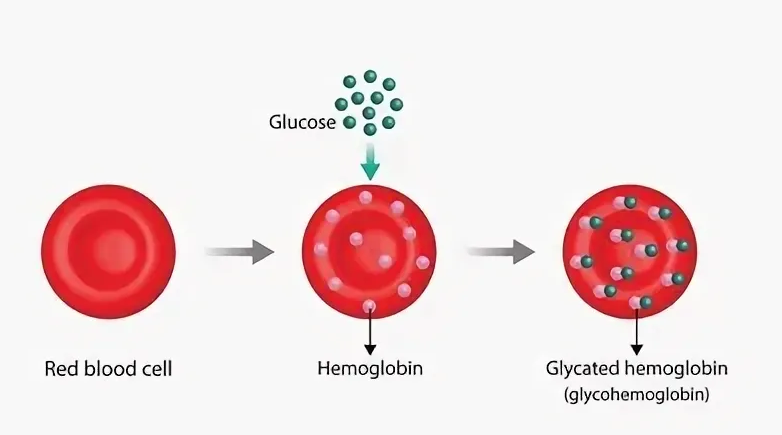
Glycated hemoglobin

Glycated hemoglobin (HbA1c) in the blood test

Glycated hemoglobin is a form of hemoglobin bound to glucose. It reflects the average blood sugar level over the past 2-3 months and is the main marker of long-term diabetes control.

Key Features of HbA1c:

  • Diabetes compensation score (shows how well glucose levels are controlled).
  • Diagnosis of prediabetes and diabetes (together with glucose testing).
  • Predicting the risk of complications (the higher the HbA1c, the higher the risk of vascular, kidney, and nerve damage).

Norms of glycated hemoglobin

CategoryHbA1c Level (%)Interpretation
Healthy Individuals< 5.7Normal
Prediabetes5.7–6.4High risk of diabetes
Diabetes Mellitus≥ 6.5Confirmation of diabetes
Target Level in Diabetes< 7.0*Good control
High Risk of Complications> 8.0Poor glycemic control

Note:

  • * In the elderly and people with severe complications, the target HbA1c may be higher (7.5-8.5%).
  • Children have the same standards as adults.

Deviations from the norm

1. Elevated HbA1c (chronic hyperglycemia)

Reasons:

  • Type 1 or 2 diabetes mellitus (the main cause).
  • Prediabetes (metabolic syndrome, insulin resistance).
  • Uncontrolled eating (excess carbohydrates).
  • Chronic stress, infections (increase glucose).
  • Hemoglobinopathies (rarely, for example, in sickle cell anemia).

Symptoms of excess (diabetes):

  • Thirst, dry mouth (polydipsia).
  • Frequent urination (polyuria).
  • Weakness, fatigue.
  • Long healing of wounds.
  • Numbness in the legs (neuropathy).

How dangerous is it?

  • Microvascular complications: retinopathy → blindness, nephropathy → renal failure.
  • Macrovascular complications: heart attack, stroke.
  • Diabetic foot (risk of amputation).

2. Low HbA1c (chronic hypoglycemia)

Reasons:

  • Overdose of insulin or hypoglycemic drugs.
  • Insulinoma (a tumor that produces insulin).
  • Fasting, anorexia.
  • Genetic diseases (for example, congenital hyperinsulinemia).
  • Chronic kidney disease (rare).

Symptoms of deficiency (hypoglycemia):

  • Trembling, sweating, palpitations.
  • Dizziness, weakness.
  • Hunger, irritability.
  • Confusion, faintingspells.

How dangerous is it?

  • Hypoglycemic coma (life-threatening).
  • Brain damage from frequent episodes.

Additional tests

To clarify the diagnosis, prescribe:

  • Fasting blood glucose (norm: 3.3–5.5 mmol / l).
  • Oral glucose tolerance test (PGTT).
  • Fructosamine (assessment of glycemia in 2-3 weeks).
  • Insulin, C-peptide (if insulinoma is suspected).

What should I do if there are deviations?

If HbA1c is elevated:

  • A low-GI diet (vegetables, whole grains, protein).
  • Physical activity (reduces insulin resistance).
  • Hypoglycemic drugs (metformin, insulin-as prescribed by a doctor).
  • Self-monitoring of glucose (glucose meter).

If HbA1c is downgraded:

  • Correction of insulin/tablet doses.
  • Frequent snacking (complex carbohydrates + protein).
  • Examination for insulinoma (CT scan of the pancreas).

Important!

  • HbA1c does not reflect sharp spikes in sugar -only the average level.
  • A false decrease in HbA1c is possible with anemia, blood loss, and hemolysis.
  • Consultation with an endocrinologist is mandatory for deviations!

For the prevention of diabetes:

  • Control your weight.
  • Check your HbA1c every 3 years after age 45 (or more often if you are at risk).