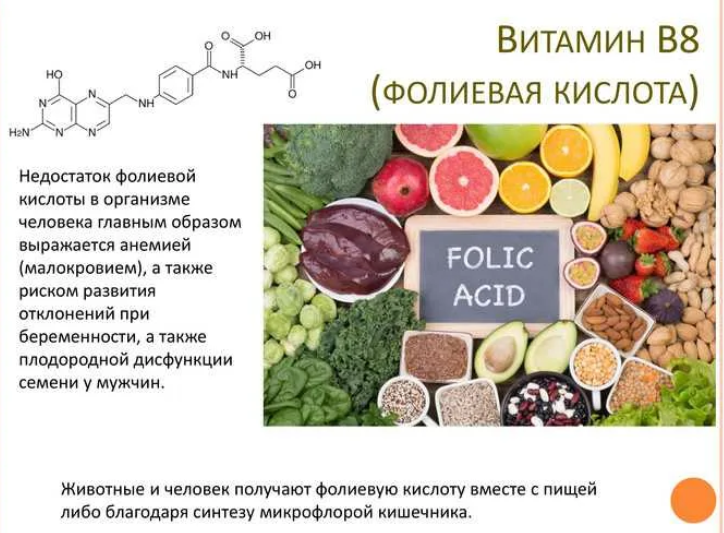
Folate (Folic acid)

Folate – folic acid) – role, norms and violations

Folate (vitamin B₉) is a water-soluble vitamin essential for DNA synthesis, hematopoiesis,and the nervous system. The body does not produce folic acid, so it must come from food or supplements.


1. The role of folate in the body

  • DNA/RNA synthesis -participates in cell division (especially important for bone marrow and rapidly regenerating tissues).
  • Hematopoiesis -necessary for the formation of red blood cells (prevention of megaloblastic anemia).
  • Homocysteine metabolism -lowers homocysteine levels (high levels are associated with the risk of thrombosis and atherosclerosis).
  • Development of the fetal nervous system -prevents neural tube defects (anencephaly, spina bifida).

Forms of vitamin B₉:

  • Folic acid is a synthetic form (in supplements and fortified foods).
  • Folate is a natural form (in food: greens, liver, legumes).

2. The norm of folate in the blood

IndicatorStandard
Whey Folate7-45 nmol / l (3-20 ng / ml)
Folate in red blood cells360-1400 nmol / l

Note:

  • Red blood cell folate is a more accurate indicator of long-term status (reflects 3-4-month reserves).
  • In pregnant women, the lower limit of serum folate is≥ 10 nmol/l.

3. Folate deficiency: Causes and symptoms

Causes of the deficit:

  • Lack of food – a diet without greens, legumes, meat.
  • Malabsorption (celiac disease, Crohn’s disease).
  • Increased expenses – pregnancy, hemodialysis, oncology.
  • Alcoholism -disrupts folate metabolism.
  • Medications (methotrexate, anticonvulsants, oral contraceptives).

Symptoms:

  • Megaloblastic anemia (weakness, pallor, shortness of breath).
  • Glossitis (red ‘varnished’ tongue).
  • Cognitive impairment (depression, memory loss).
  • Complications of pregnancy – miscarriages, malformations of the fetus.

Laboratory signs:

  • Фол Folate in serum and red blood cells.
  • ↑ Homocysteine.
  • Macrocytosis (MCV > 100 fl) in the UAC.

4. Excess folate: does it happen and what is dangerous?

Overdosing on natural folate from food is almost impossible. However, an excess of synthetic folic acid (> 1000 micrograms / day) can cause:

  • Mask vitamin B deficiency – improves blood tests, but doesn’t stop neurological damage.
  • Increase the risk of cancer (controversial data, but with prolonged use of high doses).

Symptoms of excess:
Usually missing, but possible:

  • Nausea, flatulence.
  • Allergic reactions (rash, itching).

5. Diagnosis and treatment

Analyzes:

  1. Serum folate is an acute deficiency.
  2. Red blood cell folate is a chronic deficiency.
  3. Homocysteine (increases with B₉ or B₁₂ deficiency).
  4. Vitamin B₁₂ – be sure to check with folate (their deficiencies are similar in symptoms).

Deficit management:

  • Folic acid preparations(400-1000 mcg / day).
  • For malabsorption – injectable forms.
  • Pregnant women– 400-800 mcg/day from the moment of planning until the end of the first trimester.

Prevention:

  • Foods with folate:
  • Herbs (spinach, parsley).
  • Liver, eggs.
  • Legumes (lentils, beans).
  • Avocado, citrus fruits.

6. Examples of interpreting results

Folate levelsVitamin B₁₂HomocysteineDiagnosis
StandardFolate deficiency
StandardDeficit B₁₂
StandardStandardOverdose of B₉ (rare)

Important: Folate deficiency and B₁₂ are often combined. Do not prescribe folic acid without a B₁₂ test-this may worsen neurological symptoms!

Daily consumption rates

  • Adults: 400 mcg.
  • Pregnant women: 600 mcg.
  • Nursing mothers: 500 mcg.

Toxicity: The upper permissible limit is 1000 mcg / day for the synthetic form (from additives).