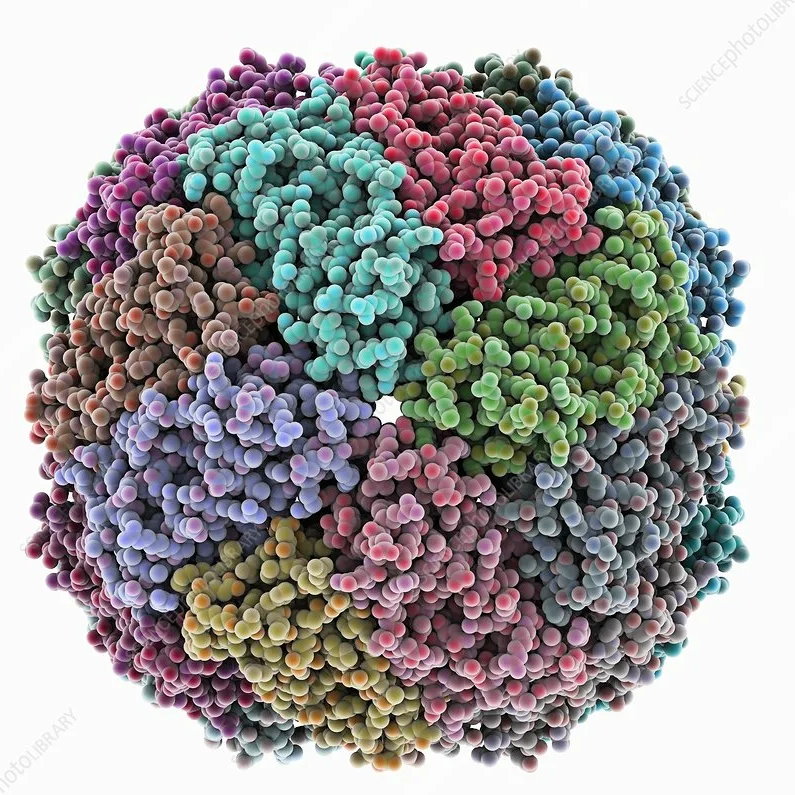
Ferritin

Ferritin in a biochemical blood test

Ferritin is the main protein depot of iron in the body, reflecting its total reserves. It is found in all cells, but especially in the liver, spleen, and bone marrow.

Main functions of ferritin:

  • Storage of iron in a safe, non-toxic form.
  • Regulation of iron absorption in the intestine.
  • Marker of inflammation (as an acute phase protein).

The norm of ferritin in the blood

CategoryReference Values (ng/mL)
Men30–400
Women15–150 (lower due to menstruation)
Children7–140 (age-dependent)
Pregnant Women10–30 (decreased due to iron consumption)

Note:

  • In newborns, the level is high (up to 600 ng / ml) – a reserve from the intrauterine period.
  • Standards may vary slightly from laboratory to laboratory.

Deviations from the norm

1. Low ferritin (iron deficiency)

Reasons:

  • Lack of iron in food (veganism, irrational diets).
  • Chronic blood loss (heavy periods, ulcers, hemorrhoids).
  • Malabsorption (celiac disease, gastritis with low acidity).
  • Pregnancy, lactation (increased iron consumption).

Symptoms of deficiency:

  • Weakness, fatigue (due to anemia).
  • Pale skin, brittle nails.
  • Dry skin, hair loss.
  • Perversion of taste (desire to eat chalk, earth).
  • Shortness of breath, dizziness.

How dangerous is it?

  • Iron deficiency anemia (decreased hemoglobin).
  • Violation of immunity and cognitive functions.

2. Increased ferritin (iron overload)

Reasons:

  • Hemochromatosis (hereditary disease).
  • Chronic inflammation (rheumatoid arthritis, infections).
  • Liver diseases (hepatitis, cirrhosis, alcoholism).
  • Oncology (leukemias, lymphomas).
  • Frequent blood transfusions.

Symptoms of excess:

  • Joint and abdominal pain.
  • Weakness, fatigue.
  • Gray or bronze skin tone.
  • Heart and liver disorders.

How dangerous is it?

  • Damage to organs (liver, heart, pancreas).
  • Diabetes mellitus, cirrhosis in hemochromatosis.

Additional tests

To clarify the diagnosis, prescribe:

  • UAC (hemoglobin, red blood cells).
  • Serum iron, OZHSS, transferrin.
  • Genetic testing (if hemochromatosis is suspected).
  • Liver tests (ALT, AST).

What should I do if there are deviations?

If ferritin is low:

  • Diet with iron (red meat, liver, buckwheat, pomegranates).
  • Iron supplements (as prescribed by your doctor).
  • Treatment of the cause of blood loss (gynecologist, gastroenterologist).

If ferritin is elevated:

  • Bloodletting (with hemochromatosis).
  • Deferoxamine (a drug that removes iron).
  • Treatment of the underlying disease (hepatologist, rheumatologist).

Important!

  • Ferritin can be falsely elevated in inflammation (even if iron stores are low).
  • Consultation with a hematologist or therapist is required to interpret the analysis.