
Fecal microbiota analysis (16S rRNA or shotgun-metagenomics)
Why is it needed?
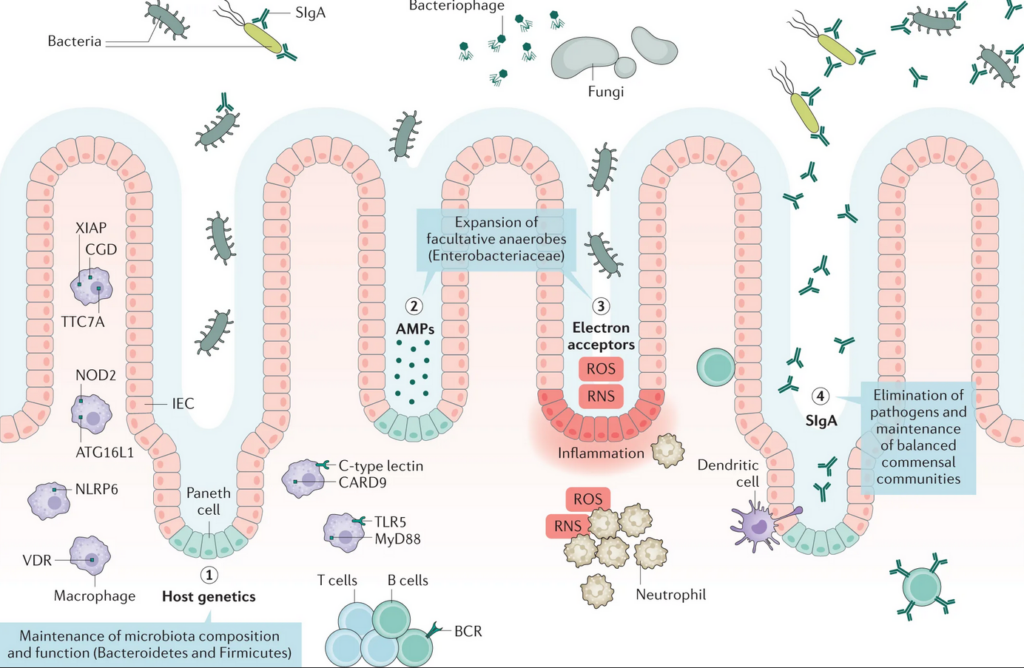
This test evaluates the composition and diversity of gut bacteria, identifying an imbalance (dysbiosis) that is associated with:
✔ Digestion (IBS, bloating, diarrhea/constipation).
✔ Immune system problems(autoimmune diseases, allergies).
✔ Metabolic disorders(obesity, diabetes).
✔ Mental health issues(depression, autism).
✔ Synthesis of vitamins (B12, K2, short-chain fatty acids).
Methods of analysis
| Method | What it reveals | Accuracy |
|---|---|---|
| 16S rRNA | Major bacterial groups (genus/family level) | Cost-effective but less detailed |
| Shotgun metagenomics | All microorganisms (including viruses, fungi, archaea) + metabolic genes | Most comprehensive and accurate |
Symptoms of dysbiosis
With a deficiency of beneficial bacteria (lacto -, bifidobacteria):
- Bloating, constipation/diarrhea.
- Food intolerances (lactose, gluten).
- Reduced immunity (frequent colds).
- Vitamin deficiency (B12, D).
With an excess of pathogens (Clostridium, candida, proteobacteria):
- Chronic inflammation (colitis, Crohn’s disease).
- Autoimmune reactions (rheumatoid arthritis).
- Skin problems (acne, eczema).
- Anxiety, depression.
Norms in analyses
There are no specific ‘norms’, but they are being evaluated:
- Diversity (Shannon index) – optimal > 3.5.
- Bacterial ratio:
- Firmicutes/Bacteroides (F/B ratio) – normal ~1.5.
- Beneficial bacteria:
- Lactobacilli – >1%.
- Bifidobacteria – > 5%.
- Pathogens:
- Clostridia – < 0.1%.
- Candida – < 0.01%.
Sample report (shotgun-metagenomics):
What to do with dysbiosis?
1. Power correction:
- Prebiotics: chicory, garlic, bananas (food for bacteria).
- Probiotics: kefir, sauerkraut (Lactobacillus rhamnosus GG).
- Exclusion of sugar/fast food(feed pathogens).
2. Supplements (as directed by your doctor):
- Probiotics (for example, Saccharomyces boulardii for diarrhea).
- Postbiotics (butyrate for mucosal repair).
3. Antimicrobial therapy (if there is an excess of pathogens):
- Naturalingredients: berberine, oregano oil.
- Pharmacological: rifaximin (for SIBR).
When is the test scheduled?
- Chronic gastrointestinal problems (IBS, constipation).
- Autoimmune diseases (celiac disease, psoriasis).
- Obesity/diabetes (related to metabolism).
- Depression, autism (gut-brain axis).
Conclusion
Microbiota analysis is key to understanding the causes of many chronic diseases.
Dysbiosis occurs when there is a deficiency of beneficial bacteria or an excess of pathogens.
📊 Rules:
- Variety > 3.5.
- Bacteroides/Firmicutes ≈ 1.5.
- Lacto – /Bifidobacteria >1–5%.
Treatment: diet, probiotics, antimicrobials.