
The role of cystatin C in the body
Cystatin C is a low-molecular-weight protein that:
- Regulates the activity of protease enzymesEnzymes are proteins that accelerate chemical reactions in the body. They ensure the occurrence of metabolic processes such as food digestion, energy release, cell formation, and many others. (cathepsins), preventing tissue destruction.
- It is filtered by the kidneys without secretion or reabsorption, so it is an accurate marker of glomerular filtration rate (GFR).
- It is involved in immune processes and inflammatory responses.
Norm of cystatin C in the blood
Reference values depend on the analysis method, but on average:
- Adults: 0.5-1.2 mg / l
- Children: higher (due to active muscle growth), then decreases by the age of 18.
Cystatin C is more accurate than creatinine to assess GFR, especially in patients with:
- Elderly people.
- Patients with low muscle mass.
- Pregnant women.
Elevated Cystatin C levels
Reasons:
- Renal failure (decreased GFR):
- Acute or chronic glomerulonephritis.
- Diabetic nephropathy.
- Hypertension with kidney damage.
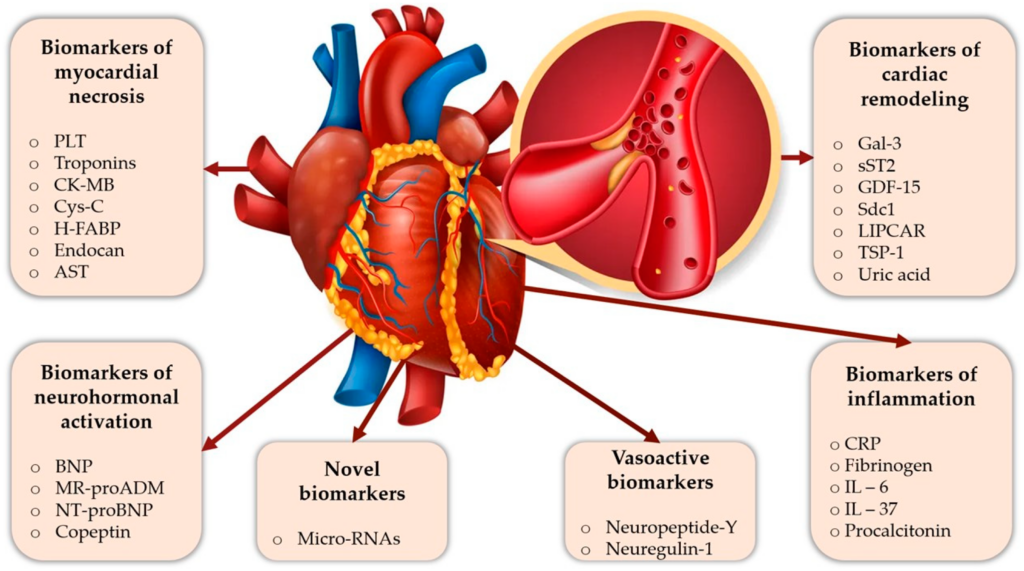
- Cardiovascular risks (atherosclerosis, heart attack).
- Autoimmune diseases (rheumatoid arthritis).
Symptoms (related to the underlying disease):
- Swelling, high blood pressure.
- Weakness, anemia (with CRF).
- Foamy urine (proteinuria).
Reduced Cystatin C levels
It is rare, but may indicate:
- Hyperthyroidism (accelerated metabolism).
- Taking glucocorticoids (prednisone).
- Pregnancy (physiological decline).
Symptoms: Usually absent, but with hyperthyroidism-tachycardia, weight loss.
When is the test scheduled?
- To assess renal function (an alternative to creatinine).
- If an early stage of CKD (chronic kidney disease) is suspected.
- For monitoring after kidney transplantation.
How do I normalize the level?
- At an elevated level: Treatment of the underlying disease (control of diabetes, hypertension).
- At a reduced level: Correction of hormonal disorders.
Important: The doctor should interpret the results in combination with GFR, creatinine and urea.
Example:
- Cystatin C = 1.5 mg / l → GFR is likely to decrease → additional tests are needed (urinalysis, ultrasound of the kidneys).