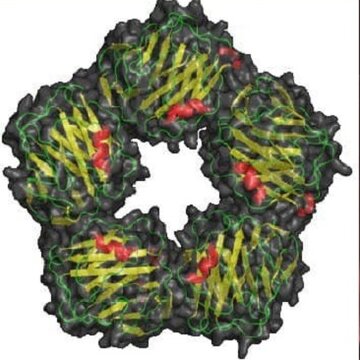
C-reactive protein

C-reactive protein (CRP)

CRP is an acute inflammatory protein produced by the liver in response to an infection, injury, or autoimmune process. It plays a key role in activating the immune systemby binding to pathogens and damaged cells to mark them for destruction.

DRR Main functions:

  • Marker of inflammation (increases as early as 4-6 hours after the onset of inflammation).
  • Participation in the immune response (activates the complement system).
  • Prognostic indicator for cardiovascular diseases (highly sensitive CRP- hs-CRP).

The norm of CRP in the blood

CategoryLevel (mg/L)Interpretation
Healthy Individuals< 5Normal
Mild Inflammation5–10Possible chronic infection, smoking
Moderate Inflammation10–50Bacterial infections, exacerbation of autoimmune diseases
Severe Inflammation> 50Acute bacterial infections, sepsis, burns, trauma
hs-CRP (Cardiac Risk)< 1Low risk
1–3Moderate risk
> 3High risk of atherothrombosis

Note:

  • In newborns, CRP can normally be up to 10 mg/l.
  • After surgery or injury, the level temporarily increases.

Deviations from the norm

1. Increased CRP (hyperproduction)

Reasons:

  • Infections (bacterial > viral).
  • Autoimmune diseases (rheumatoid arthritis, lupus, vasculitis).
  • Injuries, burns, and surgeries.
  • Oncology (lymphomas, carcinomas).
  • Cardiovascular diseases (atherosclerosis, heart attack).

Symptoms of excess:
Depend on the underlying disease:

  • Fever, weakness (with infections).
  • Joint pain, rash (with autoimmune processes).
  • Shortness of breath, chest pain (in case of a heart attack).
  • Weight loss, night sweats (in cancer).

How dangerous is it?

  • Chronically high CRP (> 10 mg / L) is associated with the risk of heart attack, stroke, and type 2 diabetes.

2. Reduced DRR

CRP deficiency is an extremely rare condition, as it can normally be close to zero in healthy people.

Possible causes of artificial decline:

  • Taking NSAIDs (ibuprofen, aspirin).
  • Hormone therapy (statins, corticosteroids).
  • Liver failure (impaired protein synthesis).

Symptoms of deficiency:
Non-specific, related to the underlying disease:

  • Predisposition to infections (if the cause is immunodeficiency).
  • Edema, jaundice (with liver diseases).

How dangerous is it?
Low CRP is not an independent pathology, but it can mask inflammation.


What should I do if there are deviations?

If the DRR is increased:

  1. Search for the cause – analysis on:
  • White blood cells, ESR (confirmation of inflammation).
  • Blood culture, PCR (infections).
  • Rheumatoid factor, ADCC (autoimmune diseases).
  • CT/MRI scan(if a tumor is suspected).
  1. Treatment of the underlying disease (antibiotics, immunosuppressants).
  2. Control of hs-CRP in cardiological patients.

If the DRR is lowered:

  • It usually doesn’t require correction.
  • In case of suspected immunodeficiency, consult an immunologist.

Important!

  • CRP is a non – specific marker: it does not indicate the exact cause of inflammation.
  • HS-CRP is used to assess chronic inflammation (for example, in atherosclerosis) .
  • The level of CRP decreases rapidly after the inflammation is eliminated (unlike ESR).

A doctor (general practitioner, rheumatologist, infectious diseases specialist) should prescribe and interpret the analysis.