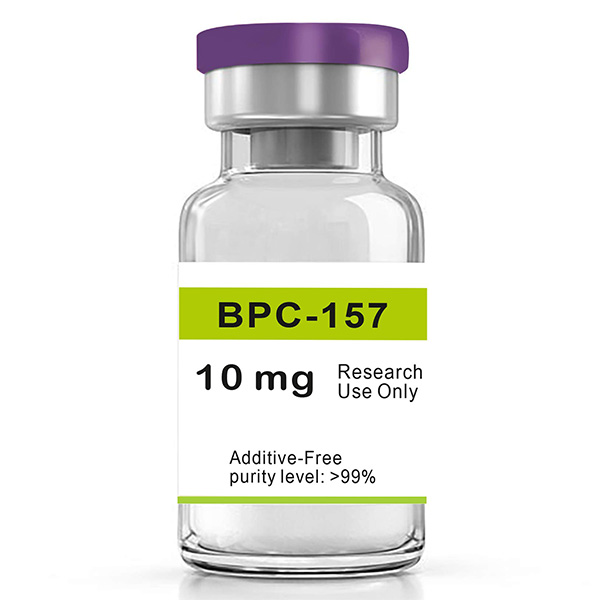
BPC-157 (Body Protecting Compound-157) is a synthetic peptideA peptide is a molecule consisting of a chain of amino acids linked together by peptide bonds. Peptides are shorter chains than proteins and usually contain from 2 to 50 amino acids. When the number of amino acids in a chain exceeds 50, such molecules are called proteins. Peptides can perform various functions in the body, including: Hormones, Neuropeptides, Antibiotics, Antioxidants consisting of 15 amino acidsAmino acids are the fundamental building blocks of proteins and play a key role in biological processes. There are a total of 22 standard amino acids used for protein synthesis in living organisms. that has been studied in the context of its potential therapeutic properties, especially with respect to tissue healing, gastrointestinal protection, and anti-inflammatory effects. It is part of a protein sequence isolated from human gastric juice and has attracted attention for its regenerative and protective properties.
Key Features of BPC-157
Tissue regeneration:
- BPC-157 stimulates wound healing, accelerating the recovery of skin, muscles, tendons, ligaments and bones.
- It promotes angiogenesis (the formation of new blood vessels), which improves blood supply to damaged tissues.
Protection of the gastrointestinal tract:
- The peptide demonstrates pronounced gastroprotective properties, helping to heal ulcers of the stomach and intestines.
- It can reduce damage to the stomach lining caused by taking nonsteroidal anti-inflammatory drugs (NSAIDs) or alcohol.
Anti-inflammatory effect:
- BPC-157 reduces inflammation by modulating the production of cytokines and other inflammatory mediators.
- It can be useful in the treatment of chronic inflammatory diseases.
Neuroprotective properties:
- Animal studies have shown that BPC-157 can protect nerve cells and promote recovery from damage to the central and peripheral nervous system.
Improved joint and ligament function:
- The peptide promotes the repair of cartilage and tendons, which makes it potentially useful for athletes and people with musculoskeletal injuries.
Antioxidant effect:
- BPC-157 reduces oxidative stress by protecting cells from free radical damage.
Mechanism of action
The exact mechanism of action of BPC-157 is not fully understood, but it is assumed that it:
- It stimulates the production of growth factors such as VEGF (Vascular Endothelial growth Factor) and TGF-β (transforming growth factor beta).
- Improves blood circulation in damaged tissues.
- Modulates inflammatory processes, reducing the level of pro-inflammatory cytokines.
- Accelerates cell proliferationProliferation is the process of cell multiplication, increasing tissue volume. It underlies the growth and differentiation of tissues during individual development, ensures the renewal of cells and intracellular structures. Cell proliferation is a process by which a cell grows and divides to form two daughter cells. and fibroblast migration, which is important for wound healing.
Application
BPC-157 is being investigated primarily in preclinical animal studies, but its potential applications include:
- Treatment of stomach and intestinal ulcers.
- Recovery from muscle, tendon and ligament injuries.
- Acceleration of healing after surgery.
- Protection of the liver and other organs from toxic damage.
- Support for inflammatory diseases such as arthritis.
Application forms
BPC-157 can be used:
- Oral: to protect and restore the gastrointestinal tract.
- Injectable: for systemic use, especially in cases of injuries to the musculoskeletal system.
- Topically: in the form of creams or gels for healing wounds and skin injuries.
Safety and side effects
BPC-157 is considered relatively safe, and no serious side effects have been identified in animal studies. However, since human clinical trials are limited, its long-term safety and efficacy require further investigation.
Conclusion
BPC-157 is a promising peptide with a wide range of potential therapeutic applications. Its ability to accelerate tissue healing, protect the gastrointestinal tract, and reduce inflammation makes it an interesting target for further research. However, before widespread use, additional clinical trials are needed to confirm its effectiveness and safety in humans.