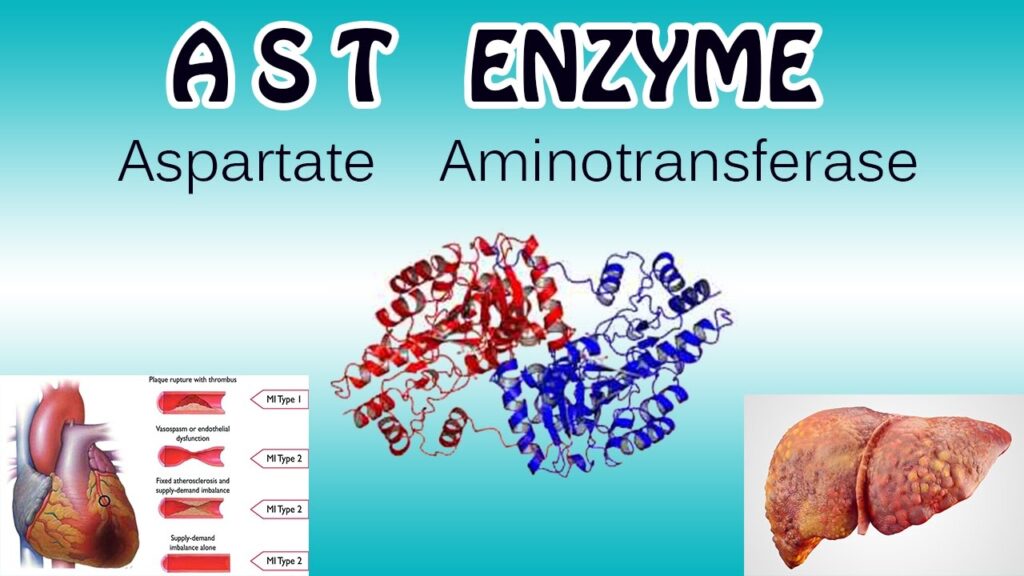
Aspartate aminotransferase (AST) in a blood chemistry test
AST is an enzymeEnzymes are proteins that accelerate chemical reactions in the body. They ensure the occurrence of metabolic processes such as food digestion, energy release, cell formation, and many others. involved in the metabolism of aminoacids, which is found in the cells of the heart, liver, muscles, kidneys and brain. When these tissues are damaged, AST enters the bloodstream, which makes it an important marker of heart and liver pathologies.
Main AST functions:
- Participates in the Krebs cycle (energy exchange).
- Helps convert aspartate to oxaloacetate.
- The main indicator of damage to the myocardium (infarction) and liver.
The norm of AST in the blood
| Category | Reference Values (U/L) |
|---|---|
| Men | 15–31 |
| Women | 14–29 |
| Children | Up to 50 (newborns – up to 80) |
Note:
- In pregnant women, the level may be lower than normal.
- After physical exertion, the AST temporarily increases.
Deviations from the norm
1. Increased AST
Reasons:
- Cardiac pathologies:
- Myocardial infarction (AST ↑ 2-20 times in 6-12 hours).
- Myocarditis, heart failure.
- Liver diseases:
- Hepatitis (viral, toxic).
- Cirrhosis, liver cancer.
- Muscle damage:
- Injuries, rhabdomyolysis.
- Long-term immobilization.
- Other reasons:
- Pancreatitis, kidney failure.
- Taking statins, paracetamol.
Symptoms of excess (depending on the cause):
- In case of a heart attack:
- Pressing pain behind the sternum.
- Shortness of breath, cold sweat.
- For liver diseases:
- Jaundice, nausea.
- Pain in the right hypochondrium.
- For muscle injuries:
- Weakness, swelling of the muscles.
- Dark urine (myoglobinuria).
How dangerous is it?
- High AST (>100 U/L) indicates severe heart or liverdamage.
- If left untreated, it can lead to heart or liver failure.
2. Reduced AST
AST deficiency is rare and has no clinical significance.
Possible reasons:
- Vitamin B6 deficiency (AST cofactor).
- Chronic dialysis.
- Pregnancy (physiological decline).
Symptoms of deficiency:
- Non-specific (weakness, fatigue).
How dangerous is it?
- Low AST is not a pathology, but it can mask B6 hypovitaminosis.
Additional tests
To clarify the diagnosis, prescribe:
- ALT -AST/ALT ratio >2 is typical for infarction, >1-for alcoholic hepatitis.
- CPK, LDH, and troponin are markers of heart damage.
- Bilirubin, ALP, GGT – assessment of liver function.
- Ultrasound of the heart / liver, ECG.
What should I do if there are deviations?
If the AST is raised:
- If a heart attack is suspected:
- Urgent ECG, troponin test.
- Hospitalization in cardiology.
- For liver diseases:
- Tests for hepatitis (HCV, HBsAg).
- Diet (table # 5), abstaining from alcohol.
- For muscle injuries:
- Rest, hydration.
If the AST is lowered:
- Nutrition correction (foods with vitamin B6: fish, bananas).
- During pregnancy – does not require intervention.
Important!
- AST is less specific to the liverthan ALT.
- A single increase in AST may occur after physical activity.
- Consultation with a cardiologist or hepatologist is mandatory for significant deviations!
For prevention purposes:
- Keep your cholesterol levels under control.
- Limit alcohol and hepatotoxic drugs.
- Check AST / ALT once a year if there are risks.