Alkaline phosphatase

The role of alkaline phosphatase (ALP) in the body

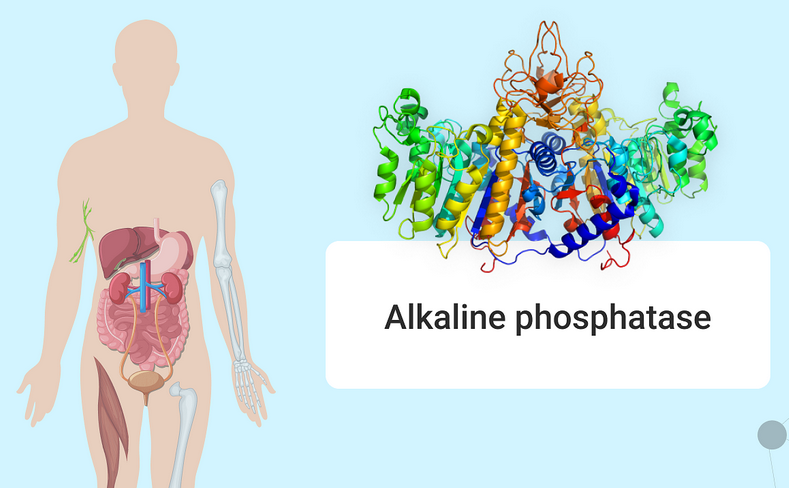
Alkaline phosphatase is an enzyme involved in phosphorus-calcium metabolism. . The highest concentrations are found in:

  • Liver cells(hepatocytes)
  • Bones (osteoblasts)
  • Placenta (in pregnant women)
  • The intestines

Main functions:

  1. Bone mineralization (cleavage of phosphates for calcium absorption)
  2. Bile acid metabolism (hepatic form)
  3. Placental growth during pregnancy
  4. Fat metabolism in the gut

GroupReference range (U/L)
Adults30–120
Children150–500 (active bone growth)
Pregnant womenUp to 250

Reduced alkaline phosphatase (Hypophosphatazemia)

Main reasons:

  • Hypothyroidism
  • Anemia (B12-, folate-deficient)
  • Hereditary hypophosphatazemia (a rare genetic disorder)
  • Zinc/Magnesium deficiency

Symptoms:

  • Muscle weakness
  • Bone deformities (in children)
  • Premature tooth loss
  • Respiratory disorders (in severe cases)

Elevated alkaline phosphatase (Hyperphosphatazemia)

Critical levels:

  • > 500 U / L – suspected Paget’s disease
  • > 1000 U / L – biliary tract obstruction

Main reasons:

  1. Liver diseases (hepatitis, cirrhosis, cholestasis)
  2. Bone diseases (osteoporosis, metastases)
  3. Hyperparathyroidism
  4. Kidney/lung infarction

Symptoms:

  • Jaundice, pruritus of the skin(with cholestasis)
  • Bone pain
  • Frequent fractures
  • Nausea, loss of appetite (with hepatic pathologies)

What should I do if there are deviations?

With an increase in alkaline phosphatase:

  1. Liver tests (ALT, AST, bilirubin)
  2. Calcium/phosphorus analysis
  3. Ultrasound of the liver and biliary tract
  4. X-ray of bones (if Paget’s disease is suspected)

When the ALP is lowered:

  1. Thyroid Hormones (TTG, T4)
  2. Vitamins B12 and Folate
  3. Genetic test (for inherited forms)

Important: Children have a high level of ALP- norm (active growth of the skeleton)! In adults, an increase always requires diagnosis.