ACTG

Adrenocorticotropic hormone (ACTH): role, symptoms of blood imbalance and normality

1. The role of ACTH in the body

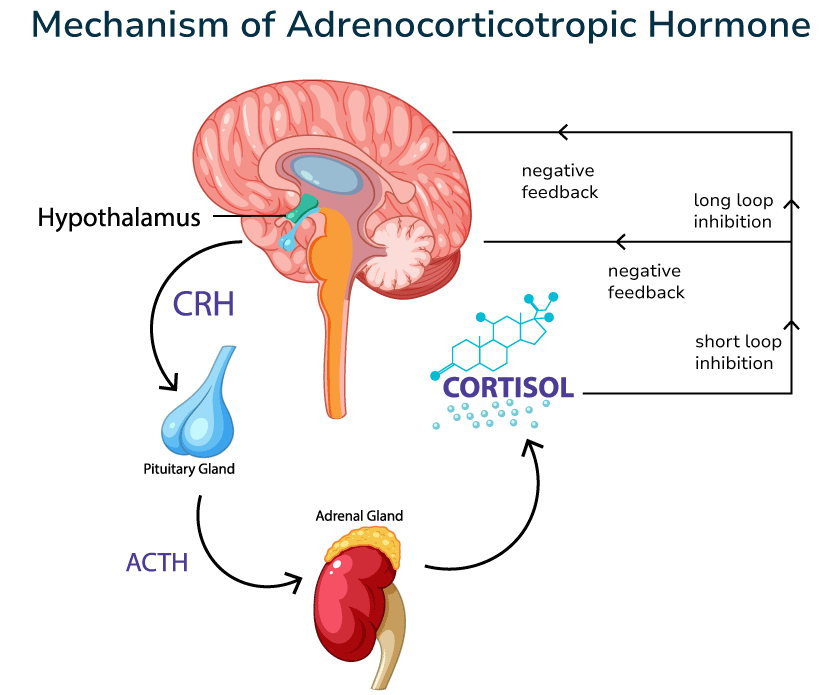
ACTH (adrenocorticotropic hormone) is a hormone produced by the anterior pituitary gland under the control of the hypothalamus (via corticoliberin, CRH).

Main functions:
Adrenal Stimulation – ACTH causes the adrenal cortex to produce:

  • Cortisol (a glucocorticoid that regulates metabolism and stress response).
  • Androgens (precursors of sex hormones).
  • To a lesser extent – aldosterone (a mineralocorticoid that controls the water-salt balance).

Maintaining circadian rhythms – ACTH levels are maximal in the morning (6-8 hours) and minimal in the evening.

Participation in the stress response – under stress (physical or emotional), ACTH secretion increases dramatically.


2. Symptoms of ACTH deficiency (hypocorticism)

Reasons:

  • Hypopituitarism (pituitary insufficiency due to a tumor, injury, or ischemia).
  • Long-term use of glucocorticoids (suppresses the production of ACTH on the feedback principle).
  • Sheehan’s syndrome (postpartum pituitary necrosis).

Symptoms:

  • Chronic weakness, fatigue (due to lack of cortisol).
  • Hypoglycemia (low blood sugar).
  • Weight loss, lack of appetite.
  • Hypotension (low blood pressure).
  • Pallor of the skin (due to a decrease in ACTH and melanocyte-stimulating hormone).

3. Symptoms of excess ACTH (hypercorticism)

Reasons:

  • Itsenko-Cushing ‘s disease(pituitary adenoma, excessively producing ACTH).
  • Ectopic production of ACTH (in small cell lung cancer, carcinoids).
  • Adrenal insufficiency (the adrenal glands do not respond to ACTH – > compensatory growth of ACTH).

Symptoms:

  • Obesity with fat deposition on the face (‘moon face’), stomach, neck.
  • Stretch marks (striae) purple color on the skin.
  • Arterial hypertension (high blood pressure).
  • Osteoporosis (brittle bones).
  • Hirsutism and acne (due to excess androgens).
  • Impaired glucose tolerance (prediabetes).

4. Norms of ACTH in the blood test

ACTH levels fluctuate strongly throughout the day:

Time to submit the analysisReference values (pg / ml)
Morning (7: 00-10: 00)7-63 (maximum level)
Evening (18: 00-22: 00)< 30 (minimum level)

Important:

  • The test is taken strictly on an empty stomach, in the morning, at rest (stress distorts the result).
  • At the same time, cortisol is checked for a comprehensive assessment.

5. When is an ACTH test scheduled?

  • Suspected Itsenko-Cushing’s disease / syndrome.
  • Diagnosis of adrenal insufficiency (Addison’s disease).
  • Evaluation of the hypothalamic-pituitary-adrenal axis.
  • Control of long-term glucocorticoid therapy.

In case of abnormalities , an endocrinologist’s consultation and additional tests (corticoliberin test, pituitary MRI) are required.