Epithalon peptideA peptide is a molecule consisting of a chain of amino acids linked together by peptide bonds. Peptides are shorter chains than proteins and usually contain from 2 to 50 amino acids. When the number of amino acids in a chain exceeds 50, such molecules are called proteins. Peptides can perform various functions in the body, including: Hormones, Neuropeptides, Antibiotics, Antioxidants (epithalamin) is a synthetic tetrapeptide that mimics the action of the natural epithalamin peptide produced by the epiphysis. Its main claimed action is anti-aging, through normalization of circadian rhythms, telomerase activity, immune function and antioxidant protection.
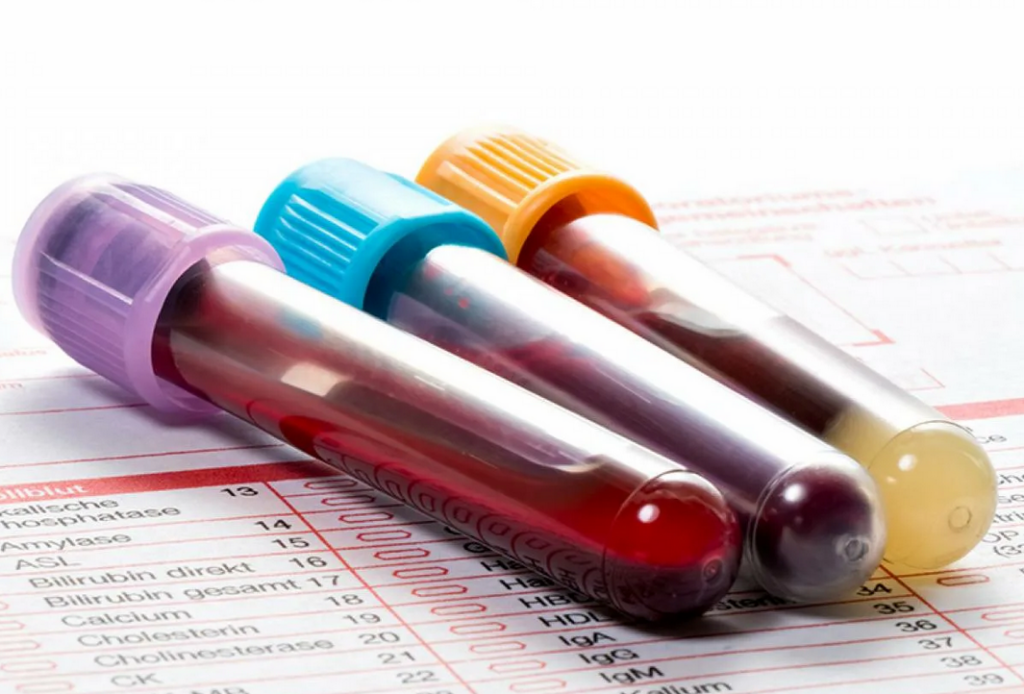
Although there are no direct and 100% specific laboratory tests to assess the ‘effectiveness of Epitalon’, it is possible to indirectly track its effect through markers of aging, immunity, endocrine function and stress axes. Below is a list of such analyses, divided by direction.
1. Biomarkers of aging and telomerase activity
Telomeres (the length of telomeres in white blood cells) — direct, but expensive and infrequently available analysis.
Epigenetic age (DNA methylation age, Horvath clock, GrimAge, etc.) is the best modern marker of ‘biological age’.
Glycated hemoglobin (HbA1c) — the level of metabolic’wear and tear’.
Homocysteine is a marker of cellular aging and mitochondrial stress.
🧠 2. Endocrine and pineal function
Melatonin in evening / night urine or saliva-especially important for sleep disorders.
Salivary cortisol (diurnal profile, 4 points) – to assess circadian rhythms.
ACTH (adrenocorticotropic hormone) — reflects the activity of the pituitary gland.
TSH, T3 free, T4 free — the state of the thyroid gland.
DHEA-S (DHEA-S) is an anti — aging hormone that decreases with age.
Insulin + glucose + HOMA-IR-improvement of insulin sensitivity.
3. The immune system
Immunogram (CD3, CD4, CD8, CD19, NK, etc.)
Immunoglobulins (IgA, IgG, IgM)
Interleukin-6 — IL-6) is a marker of inflammation and immune aging.
TNF-alpha is a chronic inflammation.
C-reactive protein (highly sensitive, hs-CRP) — low-level inflammation.
4. Mitochondrial and cellular health
Cystatin C is a sensitive marker of aging and kidney function.
Lactate dehydrogenase — LDH) – can show changes in cellular metabolism over time.
Coenzyme Q10 — cellular energy level.
Organic acids in urine (OAT test) is a functional test of mitochondria.
🧪 5. General and functional health markers
Vitamin D (25-OH) — maintenance of its level may improve during therapy.
Ferritin and iron are important for cellular respiration.
Omega-3 index (EPA+DHA) – to protect cell membranes from aging.
Carnitine (total and free) – transfer of fatty acids to the mitochondria.
Alkaline phosphatase and osteocalcin — can change during the restoration of metabolism in bones.
✅ What should I track in dynamics?
Recommended:
Make a basic panel before starting the Epitalon course
Repeat key tests 2-3 months after the course
Track sleep quality, energy, immune resistance, libido, etc.